Satellite IoT in Environmental Monitoring
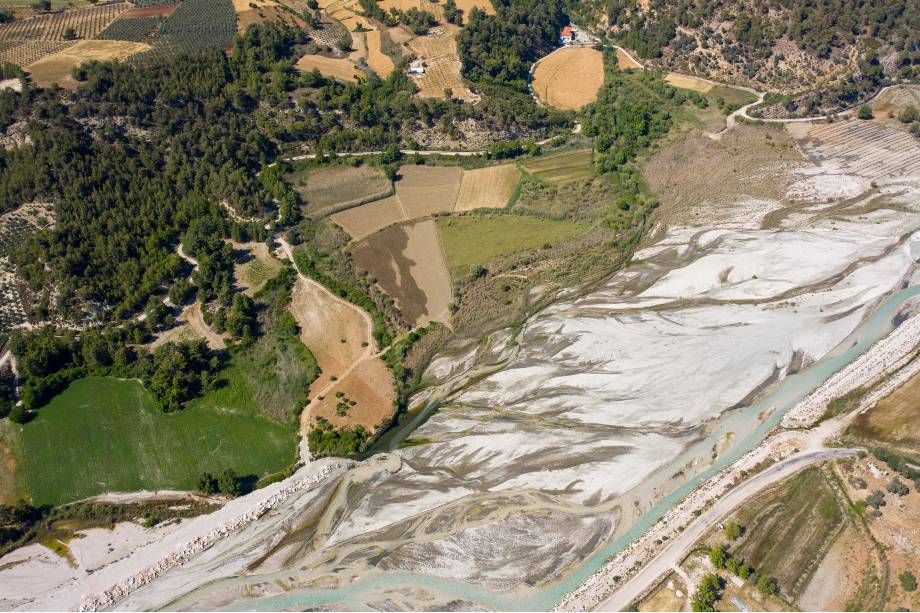
Environmental monitoring is becoming increasingly central to regulatory compliance, climate resilience and long-term resource management. Yet many of the environments that require the most attention are those least served by traditional connectivity. Rivers, forests, wetlands and coastal zones often sit beyond reliable network coverage, limiting the ability to observe change as it happens. Satellite IoT addresses this gap by enabling continuous, low-power data collection from remote and infrastructure-poor locations.
By moving from periodic sampling to persistent observation, organisations can detect environmental change earlier, respond more effectively and build a stronger evidence base for decision making. This shift is particularly important as environmental systems become more dynamic under the influence of climate change and human activity.
Sector Overview
Environmental systems operate across large geographies and are influenced by a wide range of interconnected factors. Water quality, air conditions, soil health and ecosystem stability can all change gradually or suddenly, often in locations that are difficult to access. Traditional monitoring approaches rely on manual sampling, fixed stations with limited backhaul or delayed data retrieval, all of which constrain responsiveness.
Satellite IoT enables a different model. Sensors can be deployed across catchments, landscapes and coastlines, transmitting data at defined intervals regardless of terrain or infrastructure. This creates a continuous and geographically distributed data layer that supports early warning systems, regulatory reporting and long-term environmental analysis.
The result is a shift from reactive monitoring toward proactive management, where interventions can be based on real-time insight rather than historical data.
Key Use Cases
Water quality monitoring is a primary application of satellite IoT. Sensors measuring parameters such as turbidity, temperature, conductivity and dissolved oxygen can be deployed along rivers, reservoirs and discharge points. Continuous data transmission allows pollution events to be detected earlier, particularly in upstream or rural locations where traditional monitoring is limited.
Flood and hydrological monitoring is another important use case. River level sensors, rainfall gauges and soil moisture probes provide early indicators of flood risk when combined with hydrological models. Satellite IoT enables these sensors to operate reliably in the areas where flood events originate, improving forecasting and response.
Air quality and atmospheric monitoring also benefit from satellite connectivity. Sensors tracking particulate matter, gas concentrations and microclimatic conditions can be deployed in remote or sensitive environments, supporting applications such as wildfire risk assessment, industrial compliance and climate research.
How Satellite IoT Fits Operationally
Environmental monitoring typically involves small data payloads transmitted at regular intervals or triggered by specific events. This aligns well with low-power satellite IoT technologies designed for long device lifetimes and minimal maintenance. Devices are often deployed in exposed or inaccessible locations, making reliability and energy efficiency more important than high data throughput.
Satellite IoT is frequently used alongside terrestrial networks. Dense monitoring may be achieved in urban or accessible areas using cellular or fixed infrastructure, while satellite-connected devices extend coverage into remote or upstream locations. This hybrid approach provides continuity of data across entire environmental systems rather than isolated segments.
Commercial Value
- Reduced reliance on manual sampling and site visits in remote locations
- Earlier detection of pollution events and environmental anomalies
- Improved regulatory compliance through continuous, time-stamped data
- Lower infrastructure costs compared with building terrestrial backhaul
- Stronger evidence base for environmental planning, reporting and policy
Challenges
Environmental monitoring deployments must operate in harsh and variable conditions, including exposure to water, temperature extremes, corrosion and biological growth. Power autonomy is a key constraint, as devices may need to function unattended for extended periods. Data integration can also be complex, particularly where monitoring programmes span multiple organisations or legacy systems. Selecting appropriate transmission intervals is essential to ensure timely alerts without unnecessary energy consumption or cost.
Looking Ahead
Satellite IoT is set to play an increasingly important role in environmental monitoring as regulatory expectations rise and climate pressures intensify. Standardisation of protocols and data formats is improving interoperability across monitoring networks. Advances in edge processing are enabling sensors to detect and prioritise meaningful changes locally, reducing unnecessary transmissions. As coverage expands and costs continue to fall, continuous environmental monitoring is becoming feasible at scale, supporting more informed and responsive management of natural systems.
Satellite IoT in Energy and Utilities
Energy and utility networks are among the most geographically extensive and operationally critical systems in modern economies. Power lines, pipelines, water networks and associated infrastructure extend across urban, rural and remote environments, many of which lack reliable connectivity. Maintaining visibility across these assets is essential for reliability, efficiency and regulatory compliance. Satellite IoT provides a resilient means of collecting data from across these distributed networks, ensuring that critical information is not constrained by location.
As utilities move toward more data-driven and decentralised operating models, the ability to monitor assets continuously rather than periodically is becoming increasingly important. Satellite IoT supports this transition by extending connectivity to the outer edges of the network, where failures are often hardest to detect and most costly to address.
Sector Overview
Energy and utility systems are defined by scale, complexity and long asset lifecycles. Operators must manage infrastructure that spans large distances and operates under varying environmental conditions, often with limited direct visibility. Traditional approaches rely on scheduled inspections, fixed communication infrastructure and reactive maintenance strategies.
Satellite IoT introduces a complementary layer of connectivity that allows sensors to be deployed wherever they are needed, rather than where networks already exist. This enables a shift toward condition-based monitoring, where decisions are informed by real-time or near real-time data. In sectors such as water, electricity and gas, this shift is closely linked to efficiency targets, sustainability goals and regulatory requirements.
Key Use Cases
Pipeline and network monitoring is a core application of satellite IoT. Sensors can detect changes in pressure, flow and other indicators that may signal leaks or faults along pipelines that extend over large distances. Reliable data transmission from remote sections of the network enables faster response and reduces both environmental and financial impact.
Electricity grid monitoring also benefits from satellite IoT, particularly in rural or hard-to-access areas. Sensors installed on poles, transformers and substations can report on load conditions, faults and environmental stress, improving fault detection and reducing outage duration.
Water network management is another significant use case. Monitoring flow, pressure and reservoir levels across distributed systems helps utilities identify leakage, optimise distribution and manage demand more effectively. Satellite IoT is particularly valuable for assets located beyond cellular coverage, including trunk mains, remote pumping stations and rural treatment facilities.
How Satellite IoT Fits Operationally
Utility data is typically low in volume and transmitted at regular intervals or triggered by threshold events. This aligns well with satellite IoT technologies designed for efficient, low-power communication. Devices can operate for extended periods on battery power or small solar installations, reducing the need for frequent maintenance.
In practice, satellite IoT is often integrated alongside terrestrial communication systems. Urban and high-density areas may rely on cellular or fibre networks, while satellite connectivity provides coverage for remote or critical assets. This hybrid approach ensures continuity of monitoring and reduces dependence on any single communication infrastructure.
Commercial Value
- Reduced operational expenditure through fewer manual inspections and site visits
- Faster fault detection and response, minimising downtime and service disruption
- Lower non-revenue losses in water and energy networks through improved visibility
- Extended asset life through condition-based maintenance strategies
- Reduced need for costly terrestrial communication infrastructure in remote areas
Challenges
Deploying satellite IoT within energy and utility environments requires careful integration with existing operational systems, including SCADA platforms and asset management tools. Power supply can be a constraint in certain locations, particularly where solar harvesting is not feasible. Data security and regulatory compliance are critical considerations, as utility networks are often classified as national infrastructure. Selecting appropriate transmission intervals is essential to balance responsiveness with cost and energy efficiency.
Looking Ahead
Satellite IoT is expected to become a standard component of utility network design as digital transformation accelerates across the sector. The convergence of satellite and terrestrial communication standards is improving interoperability and simplifying deployment. Advances in edge intelligence are enabling devices to process data locally and transmit only actionable insights. As satellite coverage expands and service costs continue to decline, utilities are increasingly able to deploy monitoring solutions at scale, supporting more resilient and efficient infrastructure systems.
Precision Insights from the Planet’s Most Remote Places
Satellite IoT enables real-time environmental monitoring in areas where traditional networks simply can’t reach. Whether tracking deforestation deep in rainforests, glacier movement in polar regions, or carbon levels in protected reserves, satellite-connected sensors offer an always-on data lifeline for environmental intelligence.
Why Satellite IoT?
- Global Connectivity: Monitor ecosystems across deserts, oceans, mountains, and tundra without terrestrial infrastructure.
- Early Warning Systems: Detect wildfires, floods, landslides, or pollution events with real-time alerts.
- Climate Science: Track long-term changes like glacier melt, permafrost thaw, and ocean salinity from anywhere.
- Biodiversity Protection: Monitor animal movement, detect poaching, and track habitat health in conservation zones.
- Minimal Impact: Satellite IoT devices are low-power, rugged, and operate for years without maintenance.
Key Benefits
- ✅ Global, Always-On Coverage
- ✅ Works Where Cellular Fails
- ✅ Real-Time Environmental Data
- ✅ Long-Term Monitoring with Low Power
- ✅ Supports Sustainability & Compliance
Use Cases: Environmental Sensors in Remote Regions
Air Quality Monitoring
Track PM2.5, ozone, and NO₂ in unmonitored rural or high-altitude areas.
Water Quality Sensors
Measure pH, turbidity, dissolved oxygen, and salinity in lakes and rivers.
Carbon Sequestration
Quantify carbon stored in vegetation and soils for offset programs.
Wildlife Tracking
Track migratory patterns and animal activity using GPS collars and tags.
Deforestation Monitoring
Detect canopy loss and illegal land clearing in protected areas.
Glacier & Ice Sheet Tracking
Monitor changes in ice mass and movement in Arctic or alpine zones.
Wildfire Detection
Detect early-stage wildfires using thermal and gas sensors.
Permafrost Monitoring
Track soil temperature and thawing in Arctic permafrost zones.
UV & Solar Radiation
Measure solar and UV exposure over deserts, oceans, and mountains.
Methane & CO₂ Sensors
Capture GHG concentrations from remote landfills or wetlands.
Noise Pollution
Monitor acoustic activity in sensitive ecological zones (reefs, forests).